How to Tell If You Have Wildlife in Your Attic: Early Warning Signs
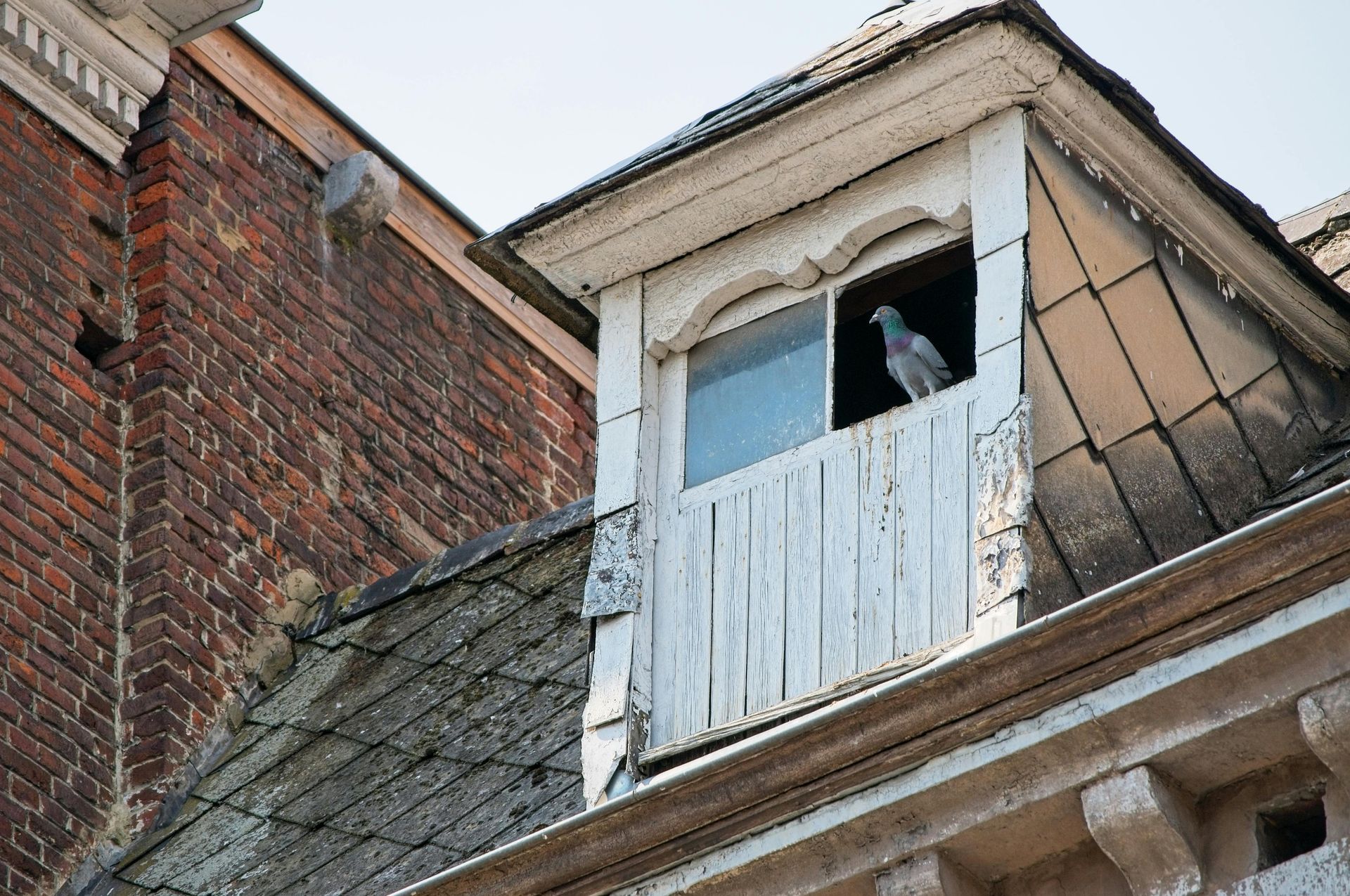
Strange sounds coming from above your ceiling at night can be more than just unsettling. They often signal that wildlife has taken up residence in your attic, turning your home into theirs. From raccoons and squirrels to bats and rats, various creatures seek shelter in attic spaces, especially during breeding seasons or harsh weather conditions.
Identifying wildlife in attic areas early can save you from extensive property damage, health hazards, and costly repairs. Animals can chew through electrical wiring, damage insulation, contaminate your living space with droppings, and create entry points that compromise your home's integrity. The longer these unwanted guests remain undetected, the more damage they cause and the harder they become to remove.
This guide walks you through the telltale signs of wildlife intrusion, helping you recognize problems before they escalate. Whether you're hearing suspicious noises, noticing unusual odors, or seeing physical evidence of animal activity, understanding these warning signs empowers you to take swift action and protect your property.
Key Takeaways
- Nocturnal scratching, scurrying, or thumping sounds from your ceiling often indicate rats, raccoons, or squirrels have moved into your attic space.
- Unusual odors ranging from musky to pungent ammonia smells signal animal urine, droppings, or the presence of a dead animal removal Hollywood Fl situation requiring immediate attention.
- Physical damage like chewed wires, torn insulation, and damaged vents indicates active wildlife presence and potential fire or structural hazards.
- Droppings, tracks, nesting materials, and grease marks along walls provide concrete evidence of the type and location of wildlife animal in attic spaces.
- Different animals show activity at specific times, with nocturnal creatures like bats and rats active at night while squirrels make noise during daylight hours.
- Professional wildlife removal in attic areas becomes necessary when DIY methods fail or when dealing with protected species, health hazards, or extensive infestations.
Unusual Sounds From Above
The most common first indicator of wildlife in your attic comes through your ears. Different animals create distinct soundscapes that help identify exactly what has moved in above your ceiling.
Scratching and Scurrying Noises
Small, rapid scratching sounds typically point to rodents like mice or rats. These animals have claws that create persistent scraping noises as they move across wood beams, insulation, and other attic surfaces. To determine whether you need rat removal in Weston and other Florida areas, know that these scratching sounds often intensify during evening hours when rodents are most active. The sounds may start softly but grow louder as populations increase or as animals become bolder in their movements.
Squirrels produce similar but slightly heavier scurrying sounds during daylight hours. Their larger bodies create more pronounced footsteps, and you might hear them rolling nuts or other food items across your attic floor. Unlike nocturnal pests, squirrels follow a predictable schedule, with most activity occurring in early morning and late afternoon.
Thumping and Heavy Footsteps
Larger animals like raccoons create unmistakable heavy footsteps and thumping sounds. These intelligent creatures often sound like a person walking around in your attic, especially during their peak activity hours after sunset. Raccoons also produce vocal sounds like chittering, growling, and purring, particularly when mothers are caring for young.
The intensity of these sounds often indicates the size and number of animals present. A single adult raccoon makes substantial noise, but a mother with babies creates even more commotion as the young ones play and move around the attic space.
Flapping and Chirping Sounds
High-pitched chirping and flapping wings signal a bat colony in your attic. These sounds become particularly noticeable at dusk when bats leave to hunt and again at dawn when they return. For bat removal Weston Fl situations, timing is critical because bats are protected during maternity seasons. The sound of wings fluttering against surfaces, combined with distinctive squeaking vocalizations, confirms bat presence rather than other flying pests.
Strange Odors and Smells
Your nose provides another powerful detection system for identifying wildlife in attic spaces. Animals leave behind distinctive smells that intensify over time and can eventually permeate your living areas.
Musky or Ammonia-Like Odors
A strong musky smell often indicates raccoon presence, as these animals have scent glands that produce a distinctive odor. This smell intensifies around their latrine areas, where raccoons repeatedly deposit waste in the same location. The ammonia-like scent of urine becomes particularly strong when rats or squirrels establish nesting areas. As urine accumulates in insulation and wood, it creates a pungent odor that worsens in warm weather or humid conditions.
These smells not only indicate current animal activity but also pose health concerns. Dried urine and feces can become airborne, potentially causing respiratory issues for household members, especially those with allergies or asthma.
Decomposition Odors
One of the most unpleasant signs of wildlife problems comes when an animal dies in your attic. The smell of decomposition is unmistakable and intensifies rapidly. This situation requires immediate dead animal removal Hollywood Fl assistance, as the odor will not dissipate until the carcass is located and properly removed. The decomposition smell differs from other animal odors because it has a distinctly sweet, sickening quality that permeates throughout your home.
Animals may die in attics due to poison (which should be avoided), natural causes, or becoming trapped in wall cavities or tight spaces. The location of the deceased animal affects how quickly you detect the problem and how difficult removal becomes.
Visible Physical Damage
Wildlife doesn't stay hidden forever. Eventually, their presence manifests through visible damage both inside your attic and on your home's exterior.
Entry Points and Exterior Damage
Look for holes in your roof, damaged soffit vents, or torn screens that animals use as entry points. Raccoons are strong enough to tear off roof shingles or pry open loose soffit panels. Squirrels can chew through wood, creating entry holes about the size of a golf ball. Rats need only a quarter-sized opening to squeeze through, and they can gnaw through various materials to widen existing gaps.
Check your roofline, gable vents, ridge vents, and the intersection of the roof and chimney for signs of forced entry. Fresh wood chips or shavings around potential entry points indicate active chewing. Darkened areas around holes suggest repeated use, as animal fur and body oils leave grease marks.
Interior Attic Damage
Once inside, animals cause significant damage to insulation, wiring, and structural components. Insulation gets compressed, torn, and contaminated with urine and feces, reducing its effectiveness and requiring replacement. This damage not only affects your home's energy efficiency but also creates health hazards from contaminated materials.
Chewed electrical wiring represents a serious fire hazard. Rodents constantly gnaw to keep their teeth trimmed, and they don't discriminate between wood beams and electrical cables. Evidence of gnawed wires demands immediate attention and professional wildlife in attic removal services, as the combination of animal activity and damaged electrical systems creates dangerous conditions.
Damaged Stored Items
Animals often destroy items stored in attics while searching for nesting materials or food. Cardboard boxes get shredded, fabrics are torn apart for nests, and food items attract and sustain pest populations. Even non-food items suffer damage when animals chew through containers or use them as latrine sites.
Droppings and Nesting Materials
Physical evidence left behind by wildlife provides definitive proof of infestation and helps identify which species you're dealing with.
Identifying Animal Droppings
Different animals leave distinctively different droppings. Rat droppings are dark, pellet-shaped, and about three-quarters of an inch long with pointed ends. Mouse droppings are similar but smaller, roughly the size of a rice grain. Squirrel droppings are slightly larger than rat droppings and have rounded ends. Raccoon feces are larger, tubular, and often contain visible food remnants like seeds or berries.
Bat droppings, called guano, accumulate in piles beneath roosting spots and have a distinctive segmented appearance that crumbles into powder when crushed. The location and concentration of droppings indicate travel routes, feeding areas, and nesting sites.
Animal Droppings Comparison Table
| Animal | Dropping Size | Shape | Distinctive Features |
|---|---|---|---|
| Rats | 0.5-0.75 inches | Pellet with pointed ends | Dark brown or black |
| Mice | 0.125-0.25 inches | Small pellet with pointed ends | Rice grain size |
| Squirrels | 0.375-0.5 inches | Pellet with rounded ends | Lighter color when fresh |
| Raccoons | 2-3 inches | Tubular | May contain berries or seeds |
| Bats | 0.125-0.5 inches | Segmented pellet | Crumbles to powder, shiny appearance |
Nesting Materials and Activity
Animals create nests from various materials found in and around your home. Squirrels and rats shred insulation, paper, fabric, and leaves to build nests in sheltered attic corners. Raccoons create bedding areas by flattening insulation and bringing in outside materials. Birds that access attics build nests from twigs, grass, and string.
Fresh nesting materials indicate active occupation, while old, abandoned nests suggest previous infestation. However, abandoned nests don't guarantee animals won't return, especially during breeding seasons when wildlife seeks familiar shelter locations.
Tracks and Grease Marks
Look for footprints in dusty attic areas or on insulation surfaces. Each animal leaves distinctive track patterns. You might also notice grease marks along walls and beams where animals repeatedly travel the same routes. Their fur deposits oils that create dark streaks, especially visible on lighter-colored surfaces. These marks map out wildlife travel patterns and help identify entry points and nesting locations.
Increased Pest Activity Around Your Home
Wildlife in your attic often leads to increased pest activity in other areas of your property. You may notice more insects around your home's exterior, as animals bring in parasites like fleas, ticks, and mites. These pests can eventually make their way into your living spaces, creating additional problems beyond the attic intrusion.
Pay attention to your pets' behavior as well. Dogs and cats often sense wildlife presence before humans do. If your pets stare at the ceiling, bark or meow at specific areas, or seem agitated when near certain parts of the house, they may be detecting animals in your attic. Their heightened senses pick up on sounds and smells that humans might miss initially.
When to Call Professional Wildlife Removal Services
While some homeowners attempt DIY wildlife removal, many situations require professional intervention for safety, effectiveness, and legal compliance.
Complex or Dangerous Situations
Large animals like raccoons can be aggressive, especially mothers protecting their young. Attempting to remove them yourself risks bites, scratches, and disease transmission. Professional animal removal Davie Fl services have the training, equipment, and experience to handle these situations safely. They also understand animal behavior and use techniques that minimize stress to both the animals and your household.
Situations involving multiple animals, extensive damage, or animals in hard-to-reach locations exceed typical homeowner capabilities. Professionals can access confined spaces safely, use proper protective equipment, and employ removal methods that ensure the entire family group is relocated rather than separating young from parents.
Protected Species Considerations
Many bat species are protected by law, and removing them requires specific permits and timing. Maternity seasons prohibit removal in many jurisdictions because separating mothers from babies causes both to die. Professional wildlife removal in attic services understand these regulations and ensure compliance while effectively resolving your wildlife problem.
Other animals may also have seasonal protections or require specific handling procedures. Professionals stay current on local and federal wildlife laws, preventing homeowners from inadvertently breaking regulations that carry substantial fines.
Health and Sanitation Concerns
Wildlife carries diseases transmissible to humans through bites, scratches, or contact with contaminated materials. Raccoons can carry rabies and raccoon roundworm. Rodents spread hantavirus, leptospirosis, and other diseases through their droppings and urine. Bat guano can harbor histoplasmosis spores that cause serious respiratory illness.
Professional services include proper cleanup, sanitation, and restoration of affected areas. They use appropriate protective equipment and disposal methods that prevent disease transmission and ensure your attic returns to a safe, clean condition.
Frequently Asked Questions
What time of year are animals most likely to enter attics?
Wildlife typically seeks attic shelter during breeding seasons in spring and fall, and when seeking warmth in winter. Prevention efforts work best if implemented before these peak seasons begin.
Can I use poison to get rid of rats in my attic?
Using poison is not recommended because rats may die in inaccessible locations, creating odor problems and requiring dead animal removal services. Poison also poses risks to pets, children, and non-target wildlife that might consume poisoned rodents.
How long does it take for wildlife to cause serious damage?
Damage begins immediately but becomes serious within weeks as animals chew wiring, contaminate insulation, and create multiple entry points. Early detection and removal prevent minor issues from becoming major problems requiring extensive repairs.
Will homeowner's insurance cover wildlife damage?
Most standard policies exclude damage from rodents, birds, and insects, though sudden damage from larger animals like raccoons may have limited coverage. Review your specific policy and consider wildlife exclusion services as preventive maintenance.
How can I prevent wildlife from returning after removal?
Professional exclusion services seal entry points with materials animals cannot breach, install protective barriers, and may recommend habitat modifications around your home. Ongoing monitoring ensures your attic remains wildlife-free long-term.
Final Thoughts
Recognizing the early warning signs of wildlife in your attic protects your home from extensive damage and keeps your family safe from health hazards. Strange noises, unusual odors, visible damage, and physical evidence like droppings all signal that animals have made your attic their home. The sooner you identify these signs, the easier and less expensive removal and repair become.
While some minor wildlife issues might seem manageable, professional removal services offer expertise, safety, and long-term solutions that DIY methods cannot match. They handle everything from initial removal and cleanup to exclusion work that prevents future intrusions. This comprehensive approach saves money over time by preventing recurring problems and protecting your home's structural integrity.
Stay vigilant for warning signs, conduct regular attic inspections, and act quickly when you detect wildlife presence. Your proactive response makes the difference between a minor inconvenience and a major home repair project. Remember that wildlife animal in attic situations will not resolve themselves, and delaying action only allows problems to worsen. Professional wildlife in attic removal services stand ready to help restore your home to a safe, wildlife-free condition.
Wildlife in your attic? We can help. Call Animal Removal Services now for fast, professional removal.
Reference:
https://electricalconnection.org/news/6-warning-signs-of-faulty-electrical-wiring-in-your-home-103