When Basic Trapping Fails: The Need for Advanced Wildlife Removal
Wildlife conflicts around homes and businesses are more common than many people expect. From raccoons in attics and squirrels in walls to skunks under decks and bats in roofs, animals are incredibly adaptable. For decades, basic trapping has been the go-to solution for many property owners and even some service providers. While simple traps can work in certain situations, they often fail when animals are persistent, intelligent, protected by law, or part of a larger infestation.
When basic trapping fails, the problem does not simply go away. In fact, it often gets worse. Animals learn to avoid traps, new animals move into the same space, and property damage continues. This is where advanced wildlife removal becomes necessary. These methods go beyond setting a cage and waiting. They focus on understanding animal behavior, solving root causes, and preventing future invasions.
This guide explains why basic trapping is sometimes not enough, what
advanced wildlife removal involves, and how a more strategic approach leads to better long-term results.
Key Takeaways
- Basic trapping may work for simple, one-time wildlife problems but often fails with repeated or complex infestations.
- Animals can become trap-shy, avoid bait, or return if entry points are not sealed.
- Advanced wildlife removal focuses on behavior, exclusion, and long-term prevention.
- Humane and legal considerations are essential in wildlife control.
- Solving the root cause is more effective than repeatedly removing animals.
- Professional strategies often reduce damage and future costs.
Understanding Basic Trapping and Its Limits
What Is Basic Trapping?
Basic trapping usually involves placing a mechanical or cage-style trap in an area where wildlife activity has been noticed. Bait is added, and the trap is checked regularly. Once an animal is caught, it is either relocated, released, or handled according to local rules.
This approach is popular because it is:
- Easy to understand
- Often low-cost
- Available to homeowners without special equipment
For small, isolated issues, such as a single raccoon wandering into a garage, basic trapping can sometimes be enough.
Why Basic Trapping Often Fails
While simple traps look straightforward, wildlife behavior is not. Many animals are highly intelligent and adaptable. After encountering traps once or twice, they may:
- Learn to avoid them
- Steal bait without triggering the trap
- Become cautious of new objects
Other common reasons basic trapping fails include:
- Multiple animals using the same space
- Hidden or hard-to-reach nests
- Traps placed in the wrong location
- Animals entering and exiting through unseen gaps
- New animals replacing removed ones
Basic trapping also does nothing to address why animals are there in the first place. Food sources, shelter, warmth, and safety are strong motivators.
The Real Risks of Relying Only on Basic Trapping
Repeated Infestations
Removing one animal does not mean the problem is solved. If a home still offers easy access, warmth, and food, another animal will likely move in. This leads to an ongoing cycle of trapping without resolution.
Property Damage
Wildlife can cause serious damage, including:
- Chewed wires and insulation
- Torn vents and roofing materials
- Contaminated attics and crawl spaces
- Damaged gardens and landscaping
Repeated trapping without prevention allows this damage to continue.
Health and Safety Concerns
Animals can carry parasites and diseases. Droppings, urine, and nesting materials can affect indoor air quality. Improper handling of trapped animals also increases the risk of bites and scratches.
Legal and Ethical Issues
Some species are protected by law. Using the wrong trap or relocating animals improperly can lead to legal trouble. Humane treatment is also a growing concern, and not all basic traps meet ethical standards.
When Basic Trapping Is Most Likely to Fail
Intelligent and Cautious Species
Certain animals are especially good at avoiding traps, including:
- Raccoons
- Foxes
- Coyotes
- Some rodents
These animals quickly learn from experience and from observing others.
Animals Living Inside Structures
Once animals enter walls, attics, or crawl spaces, simple traps placed outside may not reach them. Even traps inside may miss animals that use hidden pathways.
Seasonal Behavior
During breeding seasons, animals may become more aggressive or protective. They may also ignore bait if they are focused on nesting or caring for young.
Long-Term or Large Infestations
If animals have been present for months or years, there are likely multiple access points and well-established nests. A single trap cannot solve this kind of problem.
What Is Advanced Wildlife Removal?
Advanced wildlife removal is a comprehensive approach that focuses on:
- Identifying species and behavior
- Locating entry points and nests
- Using strategic removal methods
- Excluding animals from re-entry
- Repairing damage and sealing gaps
- Preventing future infestations
Instead of reacting to each animal, advanced methods aim to remove the problem entirely.
Key Differences Between Basic Trapping and Advanced Wildlife Removal
| Aspect | Basic Trapping | Advanced Wildlife Removal |
|---|---|---|
| Focus | Catching one animal | Solving the entire problem |
| Strategy | Reactive | Proactive and preventive |
| Skill Level | Low to moderate | High, based on training |
| Tools | Simple traps | Specialized equipment |
| Results | Often temporary | Designed for long-term success |
Step One: Proper Inspection and Identification
Advanced wildlife removal starts with a thorough inspection. This includes:
- Identifying the species involved
- Finding all entry and exit points
- Locating nests or dens
- Assessing damage and contamination
Different animals require different strategies. What works for squirrels may not work for bats or raccoons. Accurate identification is critical.
Signs used for identification include:
- Size and shape of droppings
- Footprints or claw marks
- Chewed materials
- Sounds and movement patterns
Step Two: Understanding Animal Behavior
Animals follow patterns. Advanced removal uses this to its advantage.
Professionals study:
- Feeding habits
- Active hours
- Travel routes
- Breeding cycles
For example:
- Raccoons often return to the same entry point.
- Squirrels use specific roof lines and trees.
- Skunks prefer quiet, sheltered spaces.
By predicting behavior, removal methods become more effective.
Step Three: Humane and Strategic Removal Methods
Advanced wildlife removal often uses:
- One-way doors or exclusion devices
- Species-specific traps
- Hand removal in controlled situations
- Habitat modification
Instead of luring animals randomly, methods are placed where animals already travel.
Humane practices are important. This may include:
- Avoiding removal during birthing seasons when possible
- Ensuring young are not left behind
- Minimizing stress and injury
Step Four: Exclusion and Prevention
This is where basic trapping usually fails. Advanced wildlife removal always includes exclusion.
Exclusion involves:
- Sealing entry points
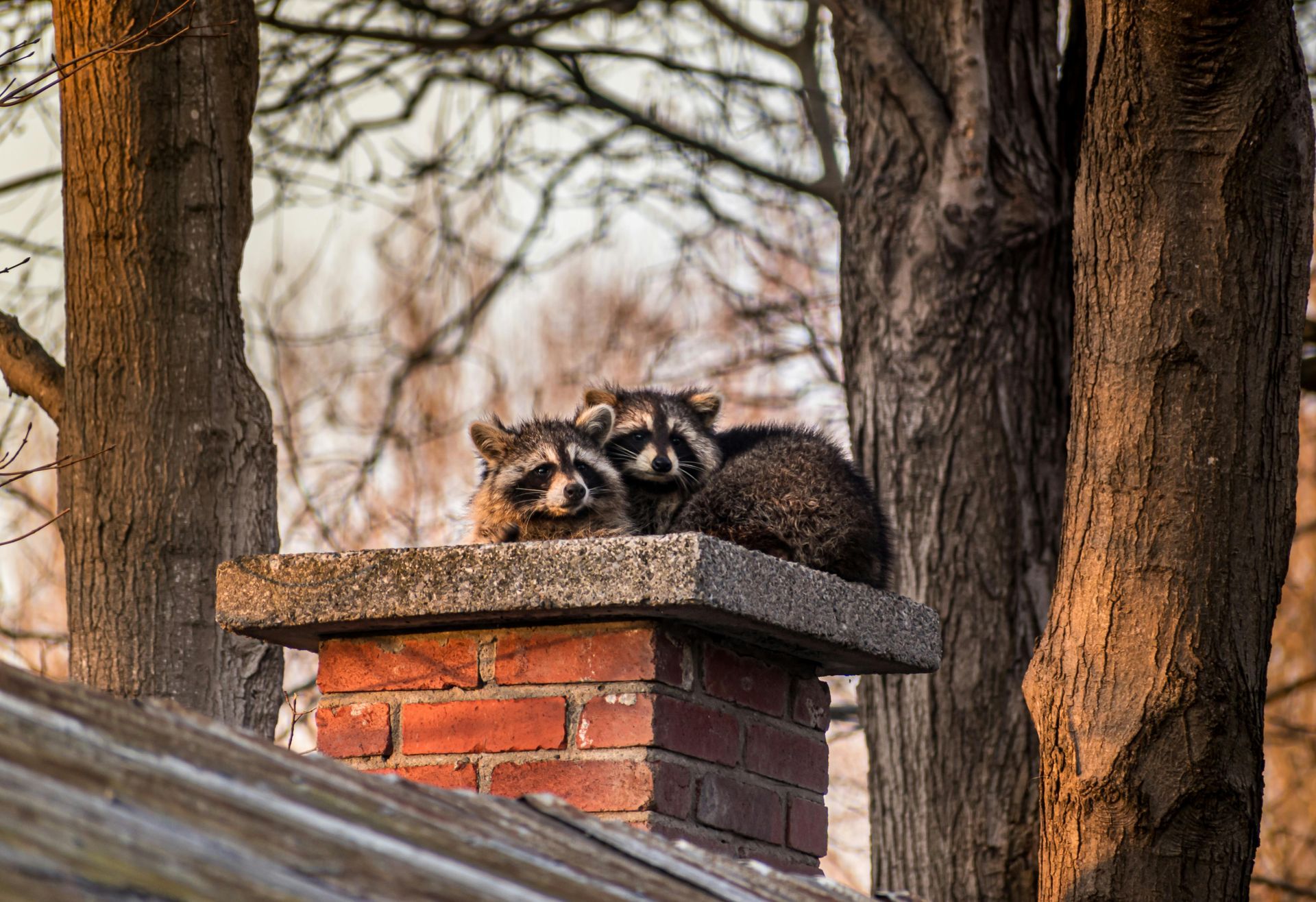
- Installing vent covers and chimney caps
- Repairing damaged siding and roofing
- Closing gaps in foundations and eaves
Without exclusion, removal is temporary.
Common entry points include:
- Roof vents
- Chimneys
- Gaps under siding
- Loose soffits
- Crawl space openings
Step Five: Cleanup and Restoration
Animals leave behind more than just damage. They also leave waste, nesting materials, and odors.
Advanced removal often includes:
- Removing contaminated insulation
- Cleaning and sanitizing affected areas
- Neutralizing odors
- Repairing structural damage
This step helps:
- Improve air quality
- Reduce health risks
- Prevent new animals from being attracted by smells
Why Animals Keep Coming Back
Animals return because:
- The shelter is safe and warm
- Food is nearby
- Entry points remain open
- Scents from previous animals remain
Advanced wildlife removal breaks this cycle by removing the reasons animals stay.
Common Wildlife Problems That Need Advanced Solutions
Raccoons in Attics
Raccoons are strong and intelligent. They can:
- Tear open vents
- Lift shingles
- Remember entry points
Trapping one raccoon does not stop others from using the same hole.
Squirrels in Walls
Squirrels chew constantly. They often:
- Create multiple nests
- Use hidden routes
- Avoid traps after early exposure
Exclusion and repairs are essential.
Skunks Under Decks
Skunks dig and reuse burrows. Trapping alone does not stop future skunks from using the same den.
Bats in Roofs
Bats are protected in many areas. Trapping is often illegal. Exclusion devices and timing are critical.
Legal and Ethical Considerations
Wildlife laws vary by location. Some species:
- Cannot be relocated
- Must be handled by licensed professionals
- Are protected during certain seasons
Advanced wildlife removal respects these rules.
Ethical treatment includes:
- Minimizing suffering
- Avoiding orphaning young
- Using humane tools
Cost vs. Value of Advanced Wildlife Removal
Basic trapping often looks cheaper at first. But repeated visits, repairs, and ongoing damage add up.
Advanced removal may cost more initially, but it often:
- Reduces repeat problems
- Limits long-term damage
- Saves money over time
Value is not just about price. It is about results.
DIY vs. Professional Advanced Wildlife Removal
Some homeowners attempt advanced methods themselves. This can work in very limited situations, but there are risks:
- Incorrect sealing can trap animals inside
- Improper handling can cause injury
- Legal violations can occur
- Safety hazards are real
Professionals bring:
- Training and experience
- Proper tools
- Knowledge of laws
- Proven methods
Signs You Need More Than Basic Trapping
- You have trapped animals before, but they keep returning
- Damage continues even after removals
- You hear animals in walls or ceilings
- You see multiple entry points
- You are unsure what species is involved
These are signs that a deeper solution is needed.
Frequently Asked Questions
Why does trapping work sometimes but not always?
Trapping can work for simple, short-term problems involving one animal. It fails when animals are intelligent, when multiple animals are involved, or when entry points are not fixed.
Is advanced wildlife removal always necessary?
Not always. Minor, one-time issues may be solved with simple methods. Advanced wildlife removal is needed when problems repeat or become complex.
Is advanced wildlife removal safe for families and pets?
When done properly, it is designed to be safe. Humane methods and secure exclusion reduce risks to people and animals.
How long does advanced wildlife removal take?
It depends on the situation. Some problems are solved in days, others may take weeks, especially if repairs or cleanup are involved.
Will animals try to come back after advanced removal?
They may try, but proper exclusion and repairs make it much harder for them to succeed.
Final Thoughts
Basic trapping has its place, but it is not a complete solution for many wildlife problems. Animals are smart, persistent, and driven by survival. When they find a safe, warm place with food nearby, they will return again and again unless the deeper causes are addressed.
Advanced wildlife removal focuses on understanding animals, removing them humanely, sealing entry points, repairing damage, and preventing future issues. It is not just about removing an animal. It is about restoring balance between people and wildlife.
If you are dealing with repeated
wildlife problems, constant damage, or animals inside your home, it may be time to move beyond basic trapping and consider a more complete solution.
Consider exploring advanced wildlife removal options that focus on long-term solutions, humane practices, and real prevention.
References:
https://ouroneacrefarm.com/2016/03/28/the-truth-about-trapping-wildlife/