Expert Wildlife Removal: When You Need Professional Help
Wildlife in and around the home can present a range of challenges for homeowners. From raccoons in the attic to squirrels chewing through wiring or bats roosting in chimneys, the presence of wild animals can cause property damage, health risks, and stress. While some may attempt DIY solutions, expert wildlife removal provides safe, effective, and long-term solutions that protect both people and animals.
This article explores when professional wildlife removal is necessary, the
benefits of hiring experts, common signs that indicate professional help is needed, and how homeowners can make informed decisions when addressing wildlife intrusions.
Key Takeaways
- Expert wildlife removal ensures safe and humane handling of animals.
- Professionals help prevent property damage and reduce costly repairs.
- Wildlife removal experts minimize health risks to homeowners and pets.
- Long-term prevention measures are implemented to avoid re-infestation.
- Professional services save homeowners time and reduce stress.
- Knowledge of local regulations ensures compliance with wildlife protection laws.
Why Expert Wildlife Removal Matters
Wild animals entering homes or yards are more than a nuisance. They can create structural problems, cause damage to electrical systems, spread diseases, and disturb daily life. Attempting to remove wildlife without proper knowledge or equipment can be dangerous for both the homeowner and the animals.
Professional wildlife removal ensures that the situation is handled efficiently, safely, and legally, protecting both your home and the animals involved. Beyond immediate removal, experts often provide guidance on preventing future infestations, which is equally important for homeowners looking to maintain a safe and clean property.
1. Signs You Need Professional Wildlife Help
Knowing when to call a professional is key to preventing escalating problems. Common signs include:
- Unusual noises: Scratching, scurrying, or squeaking in walls, ceilings, or attics can indicate animals nesting inside your home.
- Visible damage: Chewed wires, torn insulation, or damaged vents may point to rodents or other wildlife.
- Odors: Strong ammonia-like or decaying smells often come from animal waste or carcasses.
- Animal sightings: Spotting raccoons, squirrels, bats, or other wildlife inside or near your home frequently is a warning sign.
- Entry points: Holes or gaps in walls, roof, or foundation allow wildlife to enter your property easily.
Pro Tip: Early detection reduces cleanup and repair costs and prevents larger infestations.
2. Safety and Humane Considerations
Professional wildlife removal prioritizes both human safety and animal welfare.
Trained Professionals
- Handle wildlife with proper protective equipment.
- Understand animal behavior to minimize risk of bites or scratches.
- Identify diseases or parasites present in wildlife.
Humane Practices
- Use traps designed to safely capture animals without harming them.
- Relocate animals in accordance with local and federal regulations.
- Implement exclusion techniques to prevent animals from returning.
Humane handling is critical to prevent injury and ensure ethical treatment of wildlife. Attempting DIY removal without this knowledge can lead to injuries or illegal handling of protected species.
3. Preventing Property Damage
Wild animals can cause costly damage to homes. Examples include:
- Electrical wiring: Rodents may chew through wires, creating fire hazards.
- Insulation and drywall: Nesting animals can tear or soil materials.
- Roofing and vents: Raccoons and squirrels often enter attics through damaged shingles or vents.
- HVAC systems: Contamination from urine, feces, or nesting materials can compromise air quality.
Professional Prevention Measures
- Repairing entry points such as holes, vents, or chimneys.
- Installing barriers or screens to block future access.
- Cleaning and sanitizing affected areas to prevent secondary damage.
Professionals not only remove wildlife but also protect the home from future issues. This proactive approach is something most homeowners cannot achieve alone, especially when animals are skilled at re-entering homes.
4. Health Risks and Disease Prevention
Wild animals may carry diseases, bacteria, and parasites that can threaten humans and pets. Professionals reduce exposure to these risks through safe handling, proper disposal of waste, and thorough cleanup of contaminated areas. Additionally, they often identify other potential hazards, such as insect infestations that may follow wildlife activity.
5. Long-Term Prevention Strategies
One of the most significant benefits of hiring experts is the implementation of long-term prevention techniques.
Exclusion Methods
- Sealing gaps, vents, and chimneys to prevent entry.
- Installing wildlife-proof barriers.
- Using deterrents and removing attractants like pet food, trash, or bird feeders.
Preventive measures ensure that once animals are removed, your home remains protected. Some experts also offer advice on landscaping or yard maintenance to reduce wildlife attraction to your property.
6. Time and Stress Management
Wildlife removal is physically demanding and stressful. Professionals save homeowners both time and stress by:
- Quickly identifying the species involved.
- Efficiently removing animals with specialized tools.
- Handling cleanup, including waste removal and sanitization.
- Advising homeowners on preventive measures.
Professional intervention allows homeowners to focus on their daily lives while ensuring the problem is resolved efficiently.
7. Cost Considerations
Hiring a professional has upfront costs but often saves money in the long term.
Cost Factors
- Extent of infestation and species type.
- Property damage repair.
- Cleanup and sanitation services.
- Ongoing prevention measures.
Example Cost Table
| Scenario | DIY Approach | Professional Removal |
|---|---|---|
| Attic raccoon | $0 upfront, risk of injury & recurrence | $350-$600, safe and permanent |
| Squirrel in walls | $0-$50 for traps, high risk of damage | $250-$500, comprehensive exclusion |
| Bird nesting in chimney | $0-$100 DIY removal, legal risk | $200-$400, legal and safe removal |
Investing in expert services can prevent costly repairs, health issues, and repeated removals. Additionally, many professionals provide guarantees for removal and exclusion, offering added peace of mind.
8. Common Wildlife Situations Requiring Experts
Some scenarios are particularly challenging and best handled by professionals:
- Animals inside walls or attics with potential offspring.
- Aggressive or disease-prone animals like raccoons or bats.
- Protected species with legal removal restrictions.
- Infestations causing significant property damage.
Attempting DIY removal in these situations can be dangerous and ineffective, and may result in legal issues if protected species are handled incorrectly.
9. Cleanup and Restoration Services
Wildlife removal often leaves behind waste, nesting materials, and property damage.
Typical Cleanup Includes
- Removal of animal waste, urine, and debris.
- Sanitizing affected areas.
- Repairing insulation, vents, or other damaged structures.
- Assessing potential secondary damage.
Professional cleanup ensures the home is safe, hygienic, and restored to its pre-intrusion condition. Some services also provide odor control and deep cleaning, which homeowners may not achieve with standard cleaning methods.
10. Tips for Preventing Future Wildlife Intrusions
Even after professional removal, taking proactive steps helps prevent future intrusions:
- Maintain your yard by trimming overgrown branches and bushes.
- Secure trash cans and compost bins.
- Store pet food indoors or in sealed containers.
- Inspect the home regularly for potential entry points.
- Consider motion-activated lighting or deterrents in vulnerable areas.
By combining professional removal with ongoing preventive actions, homeowners can maintain a wildlife-free home long-term.
Common Wildlife Species Found in Homes
Wildlife intrusions can involve a variety of species, each with unique behaviors, risks, and impacts on your property. Understanding the types of animals that commonly enter homes helps homeowners identify problems early and decide when to call professional removal services.
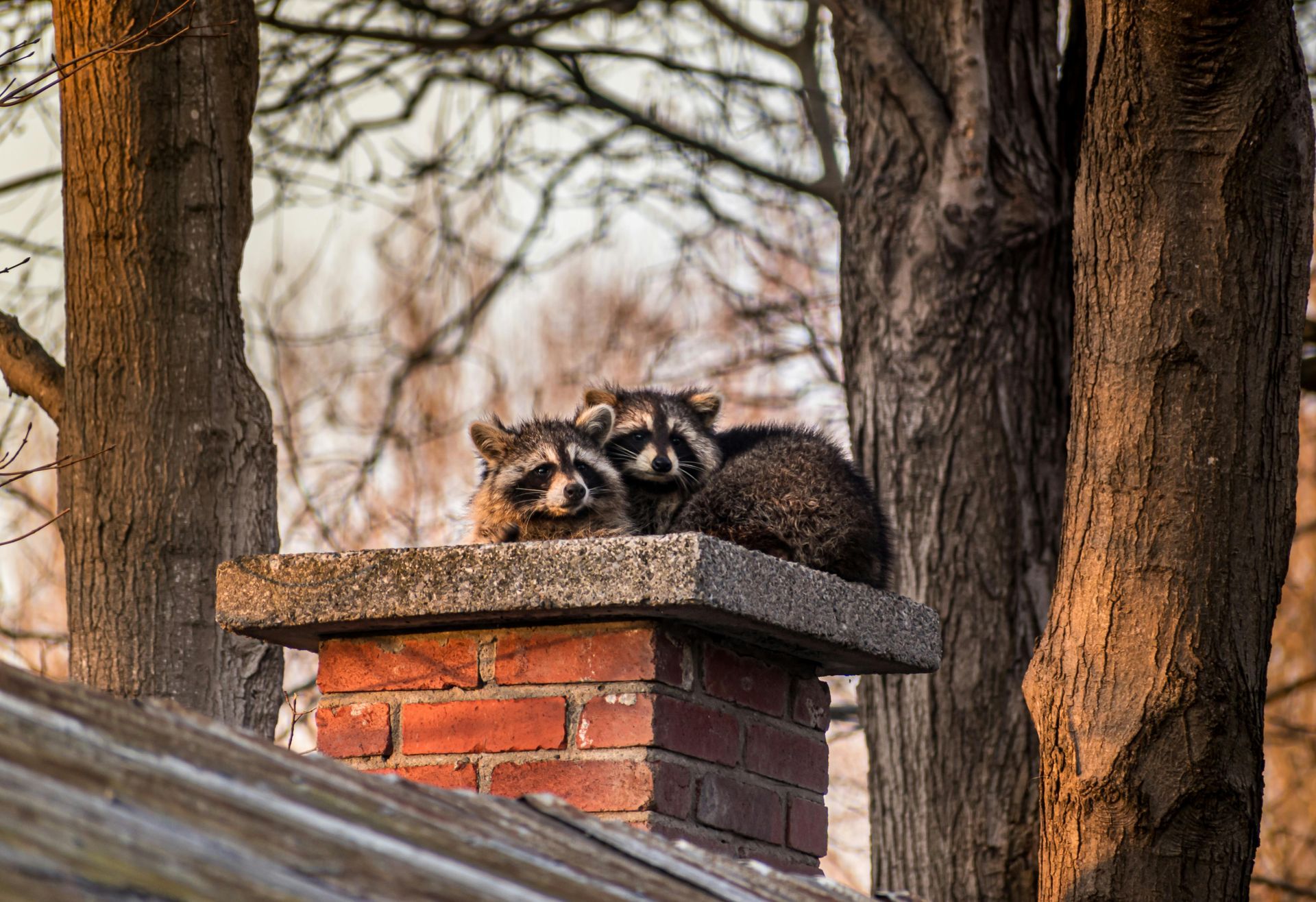
1. Raccoons
Raccoons are one of the most notorious urban wildlife species. They are highly adaptable, intelligent, and often active at night. Raccoons are known for:
- Entering attics, garages, or crawlspaces in search of food or shelter
- Tearing insulation and creating nesting areas
- Causing damage to vents, chimneys, and roofing
- Potentially carrying diseases like rabies and roundworms
Raccoons often leave distinctive signs, including claw marks, scat, or overturned trash bins.
2. Squirrels
Squirrels are agile and excellent climbers, making attics, roofs, and chimneys attractive nesting sites. Homeowners may notice:
- Scratching or scurrying sounds in walls or ceilings
- Chewed electrical wiring, which poses fire hazards
- Nesting materials such as leaves or insulation in attics
- Droppings or urine stains around entry points
While squirrels are generally not aggressive toward humans, their destructive behavior can lead to expensive repairs if not addressed promptly.
3. Bats
Bats often seek dark, quiet spaces for roosting, such as attics, chimneys, or behind siding. Key concerns include:
- Noise from flapping wings, especially at dusk and dawn
- Accumulation of guano, which can cause unpleasant odors and structural damage
- Health risks including rabies and histoplasmosis from droppings
Because many bat species are protected by law, professional removal is usually required to ensure legal and safe handling.
4. Birds
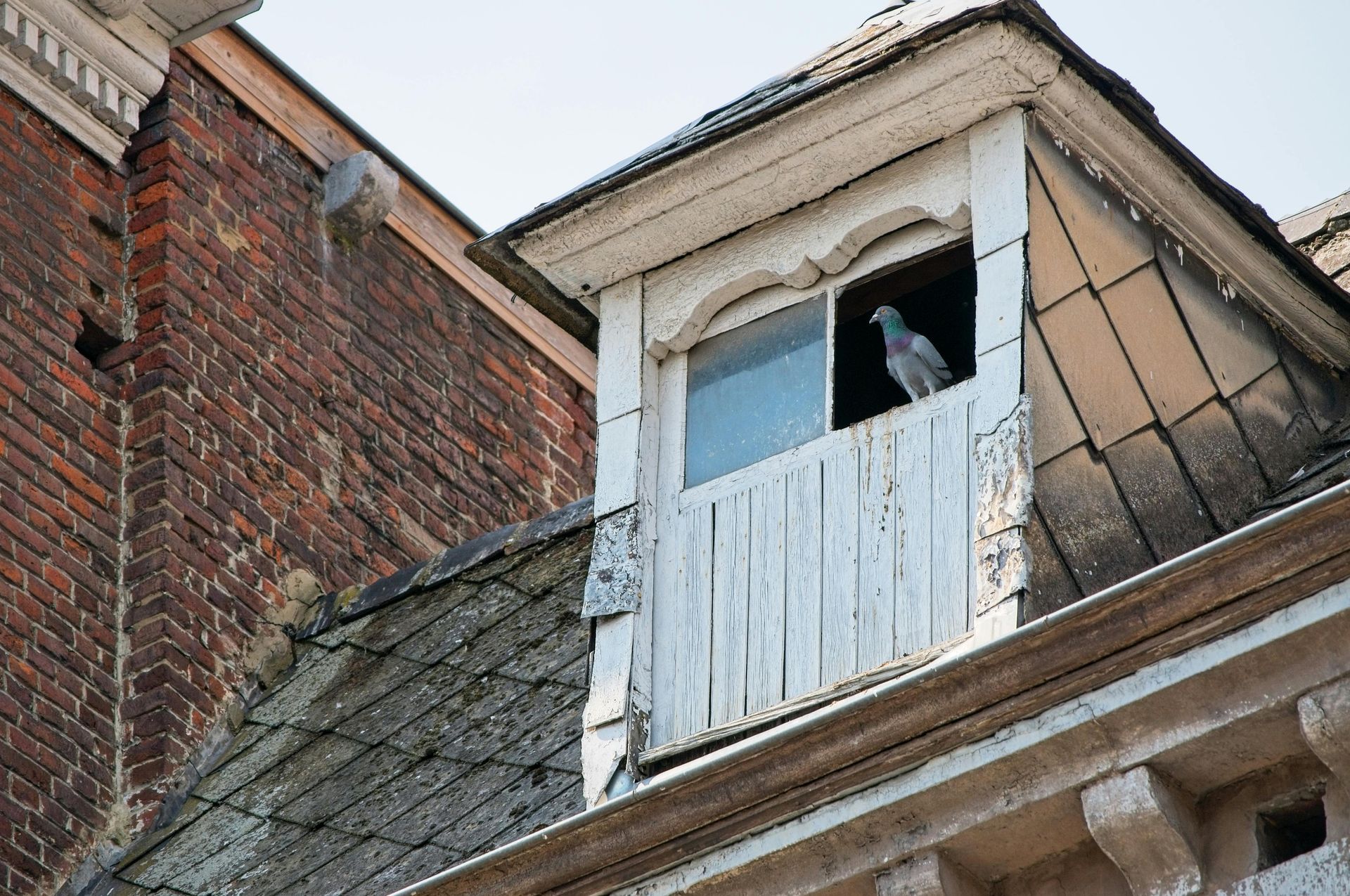
Birds can enter homes through open windows, vents, or chimneys. Common species include pigeons, sparrows, and starlings. They may:
- Build nests inside attics, chimneys, or eaves
- Leave droppings that can stain surfaces and spread disease
- Attract other pests, such as mites and insects
Bird removal often requires preventive measures, such as netting, chimney caps, or vent screens, to keep them from returning.
5. Rodents (Mice and Rats)
Rodents are among the most common household intruders. Mice and rats can reproduce rapidly and cause significant problems, including:
- Chewing through wiring, insulation, and wood
- Contaminating food and surfaces with urine or droppings
- Carrying diseases such as hantavirus, leptospirosis, or salmonella
Rodent infestations can escalate quickly, making early detection and professional removal essential.
6. Skunks and Opossums
Though less common inside homes, skunks and opossums may seek shelter under decks, porches, or sheds. Concerns include:
- Strong odors from skunk spray
- Digging or damage to landscaping
- Potential for disease transmission such as rabies
These animals are usually more dangerous to approach without professional expertise.
Why Recognizing Species Matters
Identifying the type of wildlife in or around your home is crucial because each species requires different removal methods and preventive strategies. For instance:
- Bats require careful, legal relocation.
- Rodents may need traps, sealing of gaps, and sanitation.
- Birds often need exclusion devices to prevent re-entry.
- Raccoons and squirrels may require a combination of trapping, exclusion, and damage repair.
Early recognition of wildlife signs enables homeowners to act promptly, minimizing property damage, health risks, and the stress associated with prolonged infestations.
Frequently Asked Questions
How quickly can a professional wildlife removal team respond?
Response times vary, but many companies in urban areas like Ann Arbor can schedule same-day or next-day visits, especially for urgent situations.
Are wildlife removal methods humane?
Licensed professionals typically use humane traps, relocation techniques, and exclusion methods that comply with animal welfare regulations.
Will removal guarantee the animals do not return?
Removal combined with exclusion techniques and preventive measures significantly reduces the likelihood of recurrence.
What animals require professional removal?
Common examples include raccoons, squirrels, bats, skunks, birds in chimneys, and rodents inside walls. Protected or aggressive species especially require professional intervention.
How much does professional wildlife removal cost?
Costs vary based on species, complexity, and location, ranging from $200 to $600 on average for common home intrusions, with cleanup or repair services adding to the total.
Final Thoughts
Expert wildlife removal is essential when animals invade your home, attic, or property. Professionals ensure safe, humane removal while minimizing property damage, health risks, and stress. Long-term exclusion strategies prevent future infestations and protect your home investment.
Investing in licensed, experienced
wildlife removal services is a smart decision for homeowners facing wildlife challenges. It ensures peace of mind, legal compliance, and the safety of both residents and animals.
If you suspect wildlife in your home or attic, contact a licensed expert wildlife removal service today. Schedule a consultation to protect your property, health, and peace of mind.
References:
https://raiderwildlife.ca/benefits-professional-wildlife-removal/