How to Handle Wildlife Animals in Your Attic Safely
Finding wildlife in your attic can be alarming. From raccoons and squirrels to bats and birds, unwanted animals can cause damage to insulation, wiring, and roofing, create health hazards, and disturb your daily life. Handling these intrusions safely is crucial to protecting both your family and the animals.
This article provides practical guidance on identifying, managing, and preventing wildlife infestations in your
attic. We’ll also cover when to
call a professional and what to expect during removal.
Key Takeaways
- Early detection of wildlife prevents major property damage.
- Identifying the species is critical for safe and effective removal.
- DIY attempts can be risky; professional help ensures safety and legal compliance.
- Proper cleanup and sanitation reduce health risks from animal waste.
- Prevention strategies help keep wildlife out long-term.
- Using humane and regulated methods protects both humans and animals.
Signs You Have Wildlife in Your Attic
Before taking any action, it is important to confirm the presence of animals. Common signs include:
- Noises – Scratching, scurrying, squeaking, or thumping sounds in the walls or ceiling.
- Droppings or urine stains – Different animals leave distinct waste patterns.
- Chewed insulation or wiring – Rodents and squirrels often chew through materials for nesting.
- Odors – Ammonia-like smells or decomposition from dead animals can indicate an infestation.
- Entry points – Holes in roof vents, soffits, or eaves can indicate animal entry.
Pro Tip: Early detection reduces property damage, health risks, and stress. Homeowners should periodically inspect attics, especially during seasonal changes when wildlife activity increases.
Common Wildlife Species in Attics
Different species require different handling methods. Here are the most common animals found in attics:
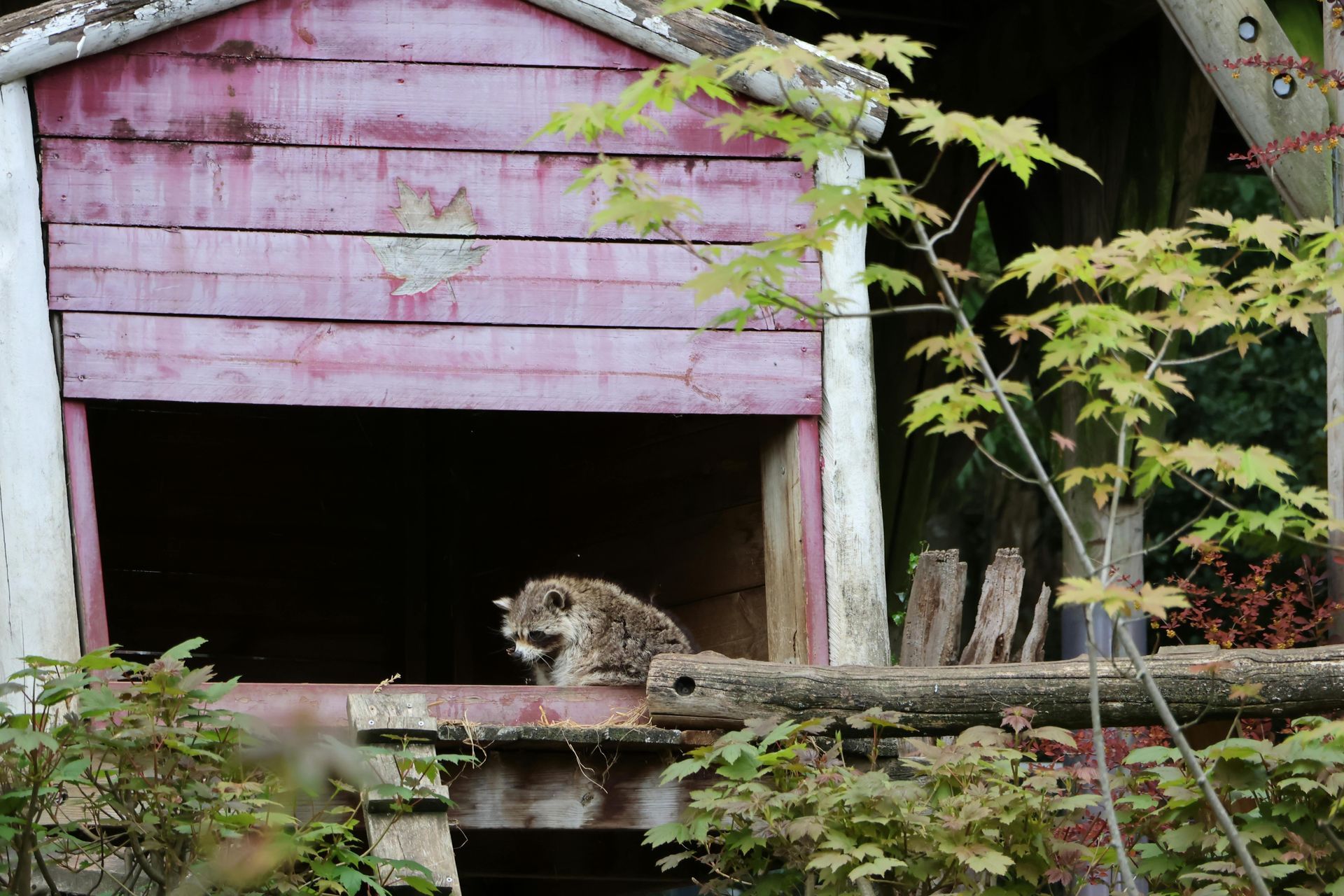
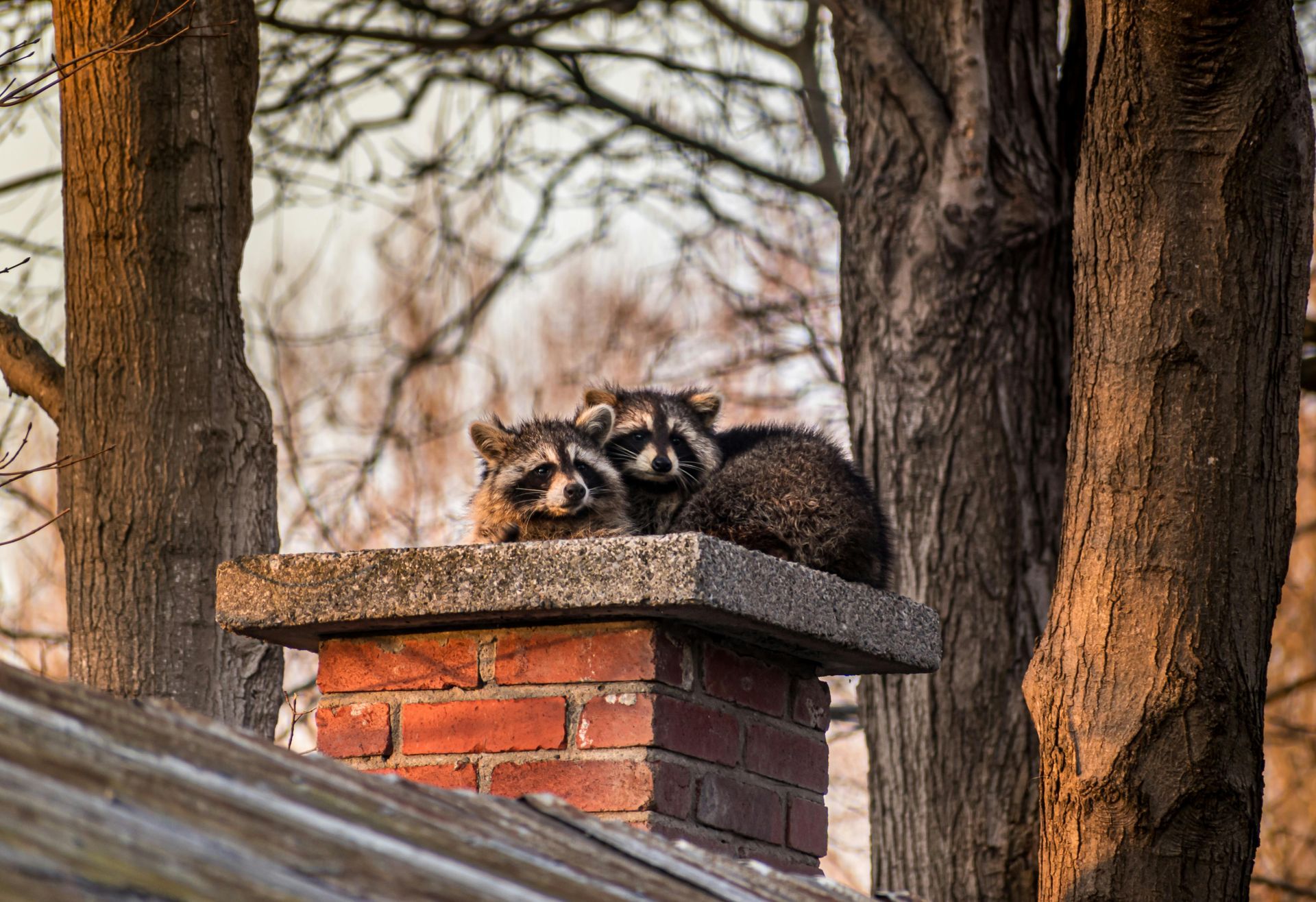
1. Raccoons
- Nocturnal and aggressive if cornered.
- Cause damage to insulation, vents, and roofing.
- Can carry rabies and roundworm infections.
- Signs include loud scratching at night, overturned trash cans, and raccoon tracks around rooflines.
2. Squirrels
- Active during the day, excellent climbers.
- Chew wires and insulation; may nest in walls.
- Generally not aggressive, but can cause property damage.
- Nests often contain shredded insulation or paper, usually near the eaves or vents.
3. Bats
- Roost in dark, quiet spaces.
- Droppings (guano) create odors and can spread histoplasmosis.
- Many species are protected, requiring legal removal methods.
- Often enter through small gaps around eaves, chimneys, or vents.
4. Birds
- Nest in vents or attics, leaving droppings that carry disease.
- Common species include pigeons, sparrows, and starlings.
- Signs include chirping, feathers, and droppings around entry points.
5. Rodents (Mice and Rats)
- Reproduce quickly and contaminate food sources.
- Chew wiring, insulation, and wood.
- Can carry hantavirus, leptospirosis, and fleas.
- Common entry points include small gaps around pipes, vents, or foundation cracks.
6. Opossums and Skunks
- May hide under roof overhangs or in attics.
- Skunks pose a spray odor problem; both may carry rabies.
- Typically nocturnal and shy, but they can cause damage to insulation and landscaping.
Risks of Handling Wildlife Yourself
Attempting to remove animals on your own can be dangerous. Risks include:
- Bites and scratches – Animals can become aggressive when threatened.
- Diseases – Rabies, hantavirus, salmonella, and other pathogens.
- Legal issues – Protected species like certain bats require legal handling.
- Property damage – DIY traps or entry attempts may worsen damage.
Professional removal ensures safety for both homeowners and wildlife. Even minor contact with raccoon saliva, bat guano, or rodent urine can expose residents to serious health risks.
Step-by-Step Guide to Handling Wildlife Safely
While professional help is recommended, homeowners can take initial precautions.
1. Identify the Animal
- Observe noise patterns and activity times.
- Look for droppings, nests, and entry points.
- Proper identification determines the safest removal approach.
2. Keep a Safe Distance
- Avoid direct contact.
- Keep pets and children away from the attic or affected areas.
- Wear protective gloves and masks if inspecting for droppings.
3. Avoid Using Poison or Lethal Traps
- Poison can harm non-target animals and pets.
- Lethal traps may violate local wildlife regulations.
- Humane, professional methods are safer and more effective.
4. Seal Off Non-Infested Areas
- Close attic access points temporarily to contain animals.
- Ensure the animals have a safe exit route before sealing permanent entry points.
Professional Wildlife Removal Process
Hiring experts ensures safe and effective removal. Here’s what professionals typically do:
- Inspection – Identifies the species, entry points, and damage.
- Removal – Humane traps or eviction techniques are used.
- Exclusion – Sealing entry points to prevent re-entry.
- Cleanup and Sanitation – Removal of waste, decontamination, and odor control.
- Repair – Fix damaged insulation, vents, or wiring.
Professionals may also provide documentation for insurance purposes, especially if wildlife caused significant damage.
Health and Safety Measures
Wildlife can carry diseases that pose risks to humans and pets. Professionals follow strict safety protocols:
- Protective gear during handling
- Safe disposal of waste and carcasses
- Sanitizing and deodorizing affected areas
- Advising homeowners on reducing attractants
Common Wildlife Diseases and Risks
| Animal | Disease Risk | Notes |
|---|---|---|
| Bats | Histoplasmosis, Rabies | Droppings contain spores harmful if inhaled |
| Raccoons | Rabies, Roundworm | Contact with feces or saliva can transmit disease |
| Rodents | Hantavirus, Leptospirosis | Contaminate food and insulation |
| Birds | Salmonella, Mites | Nesting material and droppings spread pathogens |
While DIY attempts may seem cheaper, the risks often outweigh the benefits, particularly when dealing with raccoons, bats, or protected species.
Preventing Wildlife From Entering Your Attic
Prevention is key to avoiding future infestations:
- Seal entry points – Repair vents, soffits, and holes.
- Trim trees and branches – Reduce access to the roof.
- Secure trash and pet food – Remove attractants.
- Install chimney caps and vent covers – Keep animals out.
- Routine inspections – Check for signs of activity twice a year.
- Proper attic insulation and ventilation – Avoid gaps that can serve as entry points.
Even small gaps of half an inch can allow squirrels or bats to enter, so thorough inspection is essential.
Seasonal Wildlife Activity
Wildlife behavior often changes with the seasons:
- Spring – Many animals are searching for mates and nesting locations.
- Summer – Young animals begin to explore, increasing activity in attics.
- Fall – Animals seek shelter for winter; raccoons and squirrels may target attics.
- Winter – Some species remain dormant but can still cause damage if trapped inside.
Being aware of seasonal patterns helps homeowners anticipate and prevent wildlife intrusions.
Emergency Situations
Call a professional immediately if:
- Animals are aggressive or appear sick.
- Multiple animals are nesting in your attic.
- You notice structural damage that could compromise safety.
- Wildlife is blocking access to exits or creating fire hazards.
Quick intervention prevents escalation and reduces the risk of injuries or property loss.
Cleaning and Decontamination After Removal
Removing wildlife from your attic is only the first step. Once the animals are gone, your attic may be left with droppings, urine, nesting materials, and damaged insulation. Proper cleaning and decontamination are essential to restore a safe, healthy environment for your home.
1. Removal of Waste and Debris
Wildlife droppings and nesting materials can harbor bacteria, viruses, and parasites. Professionals carefully remove:
- Feces and urine stains
- Nesting materials such as leaves, insulation, and paper
- Dead animals or carcasses, if present
- Any contaminated debris in vents, rafters, or crawlspaces
During removal, protective equipment such as gloves, masks, and sometimes full-body suits are used to minimize exposure to harmful pathogens.
2. Sanitizing the Attic
Once debris is removed, the attic should be sanitized to prevent health risks and future infestations. Sanitization includes:
- Disinfecting surfaces – Using EPA-approved cleaners or specialized disinfectants to kill bacteria and viruses.
- Mold prevention – Moisture from animal urine or leaks can encourage mold growth, which should be treated promptly.
- Air quality restoration – Ventilation systems may need cleaning to remove airborne contaminants from droppings or nesting materials.
Proper sanitation reduces the likelihood of diseases such as histoplasmosis from bat guano or leptospirosis from rodent urine.
3. Odor Control
Even after cleaning, odors from urine, droppings, or decomposed animals can linger. Professionals use several techniques to neutralize odors:
- Enzymatic cleaners – Break down organic matter and neutralize ammonia smells.
- Ozone treatments – Help eliminate persistent odors in air and on surfaces.
- Air scrubbers and dehumidifiers – Improve attic ventilation and reduce moisture-related smells.
Odor control is crucial not only for comfort but also to prevent attracting new wildlife. Strong residual smells can signal a suitable nesting area for animals returning in the future.
4. Restoration of Attic Materials
Wildlife infestations often damage insulation, wiring, or structural components. Restoration may involve:
- Replacing contaminated insulation – Old insulation may carry feces, urine, or parasites.
- Repairing or replacing wiring – Chewed electrical wires pose fire risks and should be inspected by professionals.
- Fixing vents, soffits, and entry points – Ensures animals cannot re-enter after removal.
- Sealing gaps and reinforcing weak areas – Prevents future infestations and strengthens attic integrity.
A thorough restoration process not only protects your property but also improves energy efficiency and overall home safety.
5. Ongoing Maintenance and Prevention
After cleaning and restoration, maintaining your attic is key to preventing future wildlife problems:
- Conduct regular inspections for signs of new activity.
- Keep vents and chimneys capped or screened.
- Trim tree branches near the roofline.
- Store attic materials properly to avoid creating attractants.
By combining thorough cleaning, effective odor control, and proper material restoration, homeowners can ensure their attic remains safe, healthy, and wildlife-free for years to come.
Frequently Asked Questions
Can I remove a raccoon or squirrel myself?
It is not recommended. These animals can bite and carry diseases. Professionals use safe, legal, and humane methods.
How do professionals keep wildlife from returning?
They seal entry points, install exclusion devices, and provide advice on reducing attractants.
Is it safe to stay in my home during removal?
Yes, if you follow safety advice. Professionals can work with minimal disruption to your living areas.
How much does professional attic wildlife removal cost?
Costs vary by species, damage, and location, ranging from $300 to $800 on average, including cleanup and prevention.
How long does removal take?
Removal may take 1–3 days depending on species, number of animals, and the complexity of entry points.
Final Thoughts
Handling wildlife in your attic requires care, knowledge, and often professional intervention. Early detection, species identification, and proper removal prevent damage, health risks, and stress. Combining expert removal with preventive measures ensures your home remains safe and secure.
Investing in
professional wildlife removal is not just about removing animals but also about protecting your property, family, and peace of mind.
If you suspect wildlife in your home or attic, contact a licensed expert wildlife removal service today. Schedule a consultation to protect your property, health, and peace of mind.
References:
https://www.wildliferescueleague.org/animals/how-to-safely-get-rid-of-wildlife-in-your-attic/